
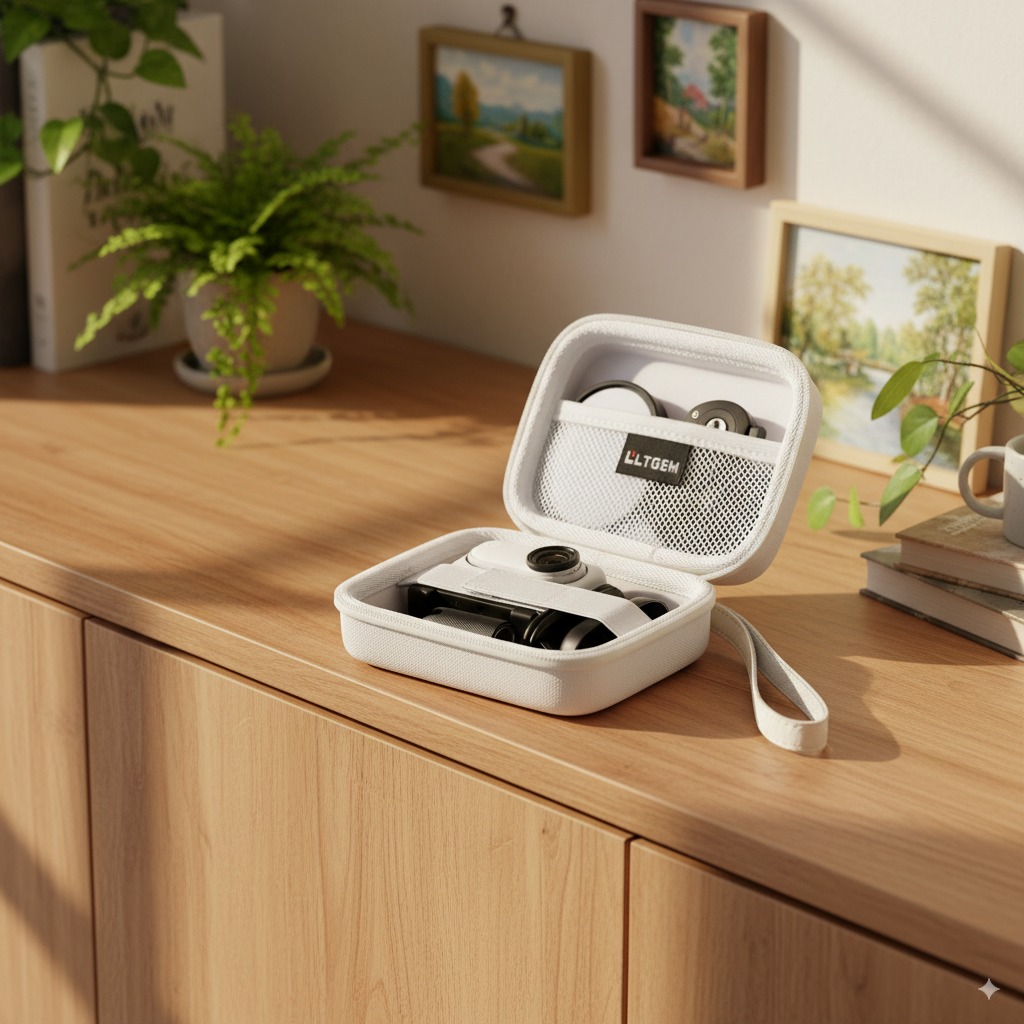
leading paragraph:
Your camera gear is an expensive investment. But is it safe inside your current bag? A single drop or unexpected rainstorm could lead to costly repairs and missed opportunities.
snippet paragraph:
**The best photography bags offer a blend of robust protection, quick accessibility, and carrying comfort. Prioritize high-density foam padding, genuine waterproof materials, customizable dividers, and ergonomic straps. These features ensure your gear is safe and ready for any shot, every time.**

Transition Paragraph:
I learned this lesson the hard way. Early in my career as an outdoor enthusiast, I used a cheap backpack for a hiking trip. The plastic strap buckle, unable to handle the weight, snapped on the trail. My camera tumbled out. That expensive mistake taught me to look at bags not as accessories, but as essential equipment. Here’s my process for evaluating them, born from years of both using and manufacturing them.
## How Much Protection Does Your Camera Gear Really Need?
leading paragraph:
It’s easy to think all padding is the same. But a minor bump can become a major disaster if the internal material fails to absorb the shock properly.
snippet paragraph:
**Your gear needs more than you think. Look for closed-cell, high-density EVA foam that is at least 15mm thick. This type of padding provides superior shock absorption against drops and impacts, unlike cheaper open-cell foams that collapse under pressure and don’t recover.**

Dive deeper Paragraph:
As someone whose career started in a factory and evolved into designing professional cases, the quality of the foam is the first thing I check. A bag’s primary job is protection, and that starts with the padding. Many brands cut costs here. You should always press firmly on the dividers and the base. If they feel flimsy or compress to nothing, they won’t stop your lenses from hitting each other in transit. I look for a structure that feels secure even when the bag is empty. The exterior material is just as important. Look for fabrics with a high Denier rating, like [840D or 1680D Ballistic Nylon](https://www.tvfinc.com/article/ballistic-fabrics/)[^1], as they offer much better resistance to tears and abrasion during rugged use.
### Foam Padding Breakdown
| Foam Type | Shock Absorption | Durability & Memory | Best For |
| :— | :— | :— | :— |
| **Closed-Cell (EVA)** | Excellent | High – resists compression | Professional camera bodies, heavy lenses |
| **Open-Cell (Polyurethane)** | Fair to Good | Low – can flatten over time | Small accessories, internal dust protection |
| **Cross-Linked PE** | Superior | Very High – rigid, structural | Custom-cut inserts for hard cases |
## Can You Balance Quick Access with Maximum Security?
leading paragraph:
You have the perfect shot lined up. But by the time you wrestle your camera out of its fortress-like bag, the moment is gone. There has to be a better way.
snippet paragraph:
**Yes, you can and should. The best designs provide uncompromising protection while allowing swift access. Look for features like side-access hatches, top-loading sling designs, or quick-release magnetic latches. A good bag lets you retrieve your camera in under five seconds without setting it down.**

Dive deeper Paragraph:
This balance between access and protection is a core challenge in product design, something I know my fellow designers think about constantly. A bag that’s a vault is useless for dynamic situations like street or event photography. A bag that’s too open is a constant risk. The solution lies in smart design features that are tailored to how you shoot. For example, when I am shooting an event, I use a messenger-style bag where the top flap gives me instant access to my two main lenses. For hiking, I switch to a backpack with a secure back panel but a side hatch for my main camera. This way, my other gear stays protected from the elements while my camera is always ready.
### Access Style Comparison
| Bag Style | Access Speed | Security Level | Ideal Use Case |
| :— | :— | :— | :— |
| **Backpack** | Slower (must take off) | High | Landscape, Travel, Hiking |
| **Sling Bag** | Very Fast (swings to front) | Good | Street, Urban Exploration, Day Trips |
| **Messenger Bag** | Fast (top flap access) | Good | Events, Weddings, Casual Shoots |
## Is “Weather-Resistant” Good Enough for Real-World Conditions?
leading paragraph:
Many bags claim to be “weather-resistant.” But what does that really mean when you’re caught in an unexpected downpour miles from shelter? It’s a gamble you can’t afford to take.
snippet paragraph:
**No, “weather-resistant” is often not enough. This term usually describes a light DWR coating that wears off. For real protection against the elements, demand bags with waterproof fabrics like [TPU-laminated nylon](https://www.derflex.com/TPU-coated-fabric-All-you-need-to-know.html)[^2], [sealed or taped seams](https://www.mountainwarehouse.com/community/expert-advice/what-are-taped-seams/)[^3], and [YKK AquaGuard zippers](https://ykkamericas.com/product/aquaguard-coil-zipper/)[^4].**

Dive deeper Paragraph:
My passion for the outdoors has taught me that weather is unpredictable. Vague marketing terms like “weatherproof” don’t mean much without specific features to back them up. I learned to ignore the labels and inspect the construction myself. Stitching creates thousands of tiny holes for water to seep through. That’s why truly waterproof bags use taped or welded seams to seal these vulnerabilities. The zipper is another major weak point. Standard zippers are not waterproof. Look for the tell-tale rubbery coating of a water-resistant zipper, like those from YKK’s AquaGuard line. I once had a bag with a separate rain cover. During a sudden storm, the cover was nearly ripped from my hands by the wind. Now, I only trust bags with inherent water resistance built directly into their materials and construction. It’s a non-negotiable feature for any photographer who ever steps outside a studio.
## Conclusion
Choosing the right photography bag is an investment in security and efficiency. Prioritize quality padding, smart access, and true weatherproofing to protect your valuable gear for years to come.
—
[^1]: Learn about the durability of 840D or 1680D Ballistic Nylon and how it protects your gear.
[^2]: Discover the advantages of TPU-laminated nylon for waterproofing your photography bag.
[^3]: Learn how sealed or taped seams enhance the waterproof capabilities of photography bags.
[^4]: Find out why YKK AquaGuard zippers are crucial for keeping your gear dry in wet conditions.